Small Leaks, Big Consequences:
Mold Risks in Housing
Why Housing Providers Must Act Early
By Khaz Ra'el, Director of Housing Location, Quality and Stabilization
What Is Mold?
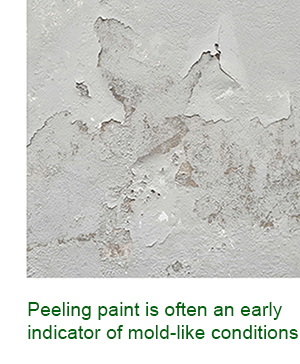 Mold is a type of fungus that reproduces by releasing spores into the air. Moisture, standing water, and steam allow mold to grow and thrive. Mold can develop both indoors and outdoors and can grow on most surfaces, including plants and soil. It may appear spotty, dusty, or fuzzy.
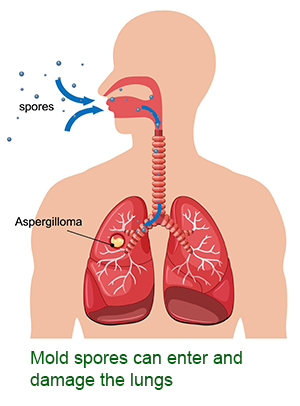
While mold exists naturally in the environment, it becomes a serious concern indoors due to limited ventilation and continuous exposure. Prolonged inhalation of mold spores or skin contact can negatively affect occupant health and, if left unaddressed, may result in serious compliance and liability issues for housing providers.
Health Impacts of Mold Exposure
Indoor mold exposure is associated with respiratory conditions and skin reactions, including dermatitis, hives (urticaria), and blisters. Long-term exposure can lead to chronic or severe health problems.
Commonly Reported Symptoms Include:
- Runny nose
- Persistent coughing
- Headaches
 Throat irritation
- Sinus congestion
- Eye and skin irritation
- Skin rashes
- Allergies
- Chest tightening
- Fatigue
- Shortness of breath
- Anxiety
- Lightheadedness
- Muscle aches
Hidden Mold and Increased Risk
Mold is not always visible. It may exist behind walls, beneath floorboards, behind wallpaper, or in unused spaces. Musty odors may be present even when mold cannot be seen.
Tenants with pre-existing health conditions face significantly increased risk. These high-risk populations include individuals with:
- Asthma or emphysema
- COPD
- HIV/AIDS
- Weakened immune systems
- Those undergoing chemotherapy
- Organ transplant recipients
For vulnerable individuals, prolonged exposure to mold conditions may result in severe, and in some cases fatal, health consequences. Where substantial exposure can be demonstrated, property owners may face increased liability risk.
Mold Remediation and Cost Considerations
 Mold and mold-like substances can be treated using appropriate chemical agents such as fungicides, or by engaging a licensed remediation professional. Typical remediation costs range from $1,500 to $5,000, depending on extent and location. If allowed to worsen, remediation costs can triple, and structural damage to the property may occur.
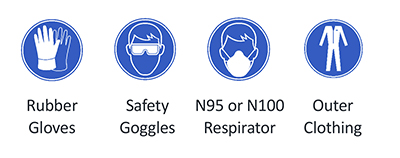
Anyone who attempts to clean mold-like substances must use proper personal protective equipment, including:
- Rubber gloves
- Safety goggles
- An N95 respirator or P100 filter respirator (half-face or full-face)*
- Outer clothing to be washed or toss immediately afterward
* Cloth masks and surgical masks are not sufficient and should not be used.
Inspection Standards Under HQS and NSPIRE
 Under HQS and NSPIRE, inspectors do not identify or confirm mold unless testing has been conducted. Therefore, inspectors refer to observed substances as "mold-like."
EDEN inspectors do not perform mold testing. Inspections are visual and may include documenting:
- Black spore-like growth or white, dusty mildew
- Water stains
- Warped or discolored wood (commonly under sinks)
- Stained ceiling tiles
- Cracked foundations
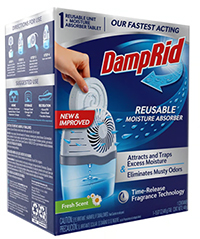
Mold-like conditions are typically the result of long-term moisture exposure, including plumbing leaks, roof leaks, excessive humidity, or steam. This is why some renters and owners utilize dehumidifiers or moisture-absorbing products such as DampRid.
Common Areas Where Mold‑Like Conditions Develop
Housing providers should closely monitor the following areas, where mold-like conditions are most likely to occur:
 Basements and crawl spaces
- Bathrooms, kitchens, and attics
- Around refrigerator seals
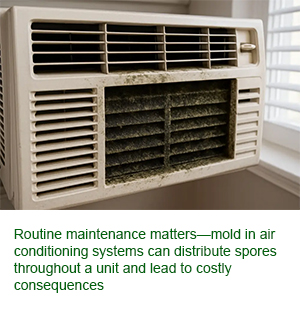
- Air conditioners and humidifiers
- Window moldings
- Roof leak areas
- Ceiling tiles
- Drywall
- Carpeting
Why Housing Providers Must Pay Attention
Small moisture issues—if ignored—can quickly escalate into serious health hazards, violations, and financial risk. Housing providers are responsible for promptly addressing leaks, ventilation concerns, humidity issues, and tenant complaints.
Failure to act on reported concerns can result in:
- HQS or NSPIRE failed inspections
- Rent abatement
- Termination of the HAP contract
- Tenant relocation approval
Tenants also have the right to contact the local building department or code enforcement agency. If violations are identified, owners will receive a notice and a deadline for repairs. In cases of extensive remediation, housing providers may be required to provide temporary housing.
Proactive Management Is the Best Prevention
 Routine inspections, timely maintenance, and proper documentation are the most effective tools housing providers have to prevent mold-like conditions. Responding early protects:
- Tenant health
- Property integrity
- Program compliance
- Long-term financial stability
Small leaks can lead to big consequences. Paying attention—and acting early—benefits everyone.
Communicate with us!
We value our partnership with you. EDEN cannot fulfill its mission of providing housing solutions to people facing the challenges of housing insecurities and homelessness without the support of property owners and managers like you. If you have any concerns, please reach out to our Housing Location, Outreach & Stabilization staff at the housing provider hotline 216-503-6369 or email EdenLandlordInfo@edencle.org. We will do our best to offer solutions or refer you to the person at EDEN who can help.
Do you know someone who may be interested in receiving
EDEN's eNews for Housing Providers?
Forward this email to them so they can register for our announcements.